





































































































Drew Bellisari's 34-Point MACtion Eruption: How a True Freshman Flipped the Battle of the Bricks
Spotted a 17-0 hole against rival Ohio's six-game winning streak, true freshman quarterback Drew Bellisari ignited 34 unanswered points in his collegiate debut to shake up the Mid-American Conference.


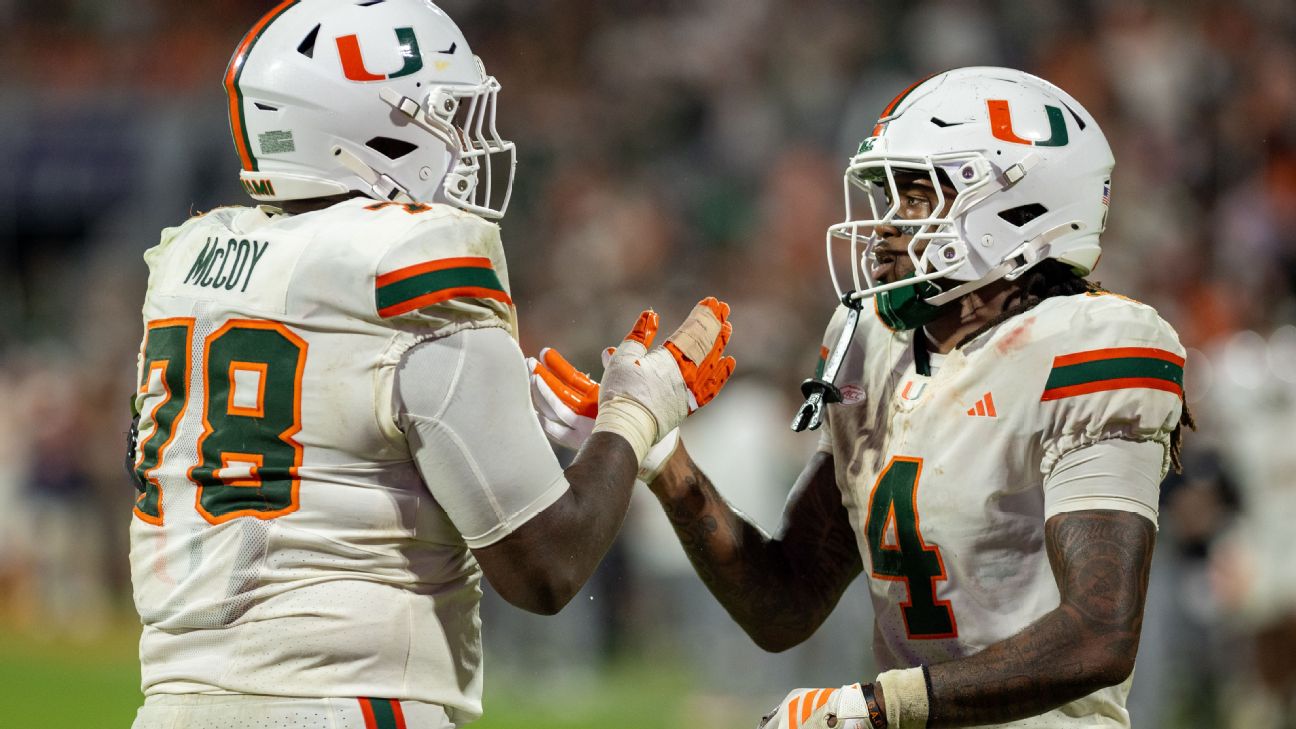
- ▪True freshman quarterback Drew Bellisari engineered 34 unanswered points in his collegiate debut to rally Miami (OH) past rival Ohio 34-17 on Tuesday night.
- ▪The loss snapped Ohio's six-game winning streak despite the Bobcats entering with 188.2 rushing YPG (33rd in FBS) and a 47.32% third-down conversion rate.
- ▪Once Miami (OH) seized the lead, Ohio's 180.7 net passing YPG profile could not play catch-up against disguised zone coverage.
- ▪Across Tuesday's MACtion slate, first-start QB poise also lifted Bowling Green (Austin Novosad's 229 yards, 3 TDs in a 33-28 win over Kent State), underscoring November QB rating volatility.
Down 17-0 in a frigid November rivalry game against an opponent riding a six-game winning streak, a true freshman making his first collegiate appearance is supposed to blink. Ohio had dictated every early snap of Tuesday night's Battle of the Bricks, leaning on its methodical ground attack to suffocate possession and push Miami (OH) toward the brink of a blowout. Instead, Drew Bellisari stepped into the huddle, settled his offense's tempo, and authored the most improbable midweek turnaround of the 2026 FBS season.
Over the final two-plus quarters, Bellisari and the Miami (OH) RedHawks ripped off 34 unanswered points, turning a 17-point hole into a runaway 34-17 victory that snapped the Ohio Bobcats' six-game unbeaten surge. On a wild Tuesday night of Mid-American Conference action across the Midwest, Bellisari's fearless pocket command and rhythm throws transformed a rivalry survival test into an immediate conference-title race earthquake with major November tiebreaker stakes.
Anatomy of a 34-0 Swing: Breaking Ohio's Ball-Control Stranglehold
Understanding why a 34-0 run against Ohio registers as such a statistical outlier begins with how the Bobcats built their six-game winning streak. Throughout 2026, Ohio has thrived by shortening games and suffocating variance: averaging 188.2 rushing yards per contest (33rd nationally in FBS) at a crisp 5.0 yards per carry (tied for 30th), converting 47.32 percent of its third downs, and protecting the football with surgical care—throwing only three interceptions all season (tied for 14th in FBS, with a 1.40 percent interception rate).
When Ohio jumped ahead 17-0 early Tuesday night, every win-probability model favored that exact script. Averaging 29.4 points per game (tied for 58th nationally) while throwing for just 180.7 net passing yards per game, the Bobcats are engineered to salt away double-digit leads behind inside-zone runs and play-action bootlegs.
Bellisari shattered that script by stringing together sustained scoring drives before halftime and immediately seizing momentum out of the locker room. Once Miami (OH) erased the two-score cushion and seized the lead, Ohio was forced out of its preferred early-down rushing rhythm and into pure drop-back passing situations—where the Bobcats complete 62.0 percent of their throws (83rd in FBS) at 7.8 yards per attempt and have absorbed 14 sacks (42nd). Deprived of positive first-down rushing leverage, Ohio never scored again.
Why True Freshman Quarterback Volatility Breaks Midweek Models
From a quantitative handicapping standpoint, Tuesday night's Battle of the Bricks illustrates the sharpest blind spot in November college football pricing: unindexed quarterback debuts. Season-long power ratings weight nine weeks of cumulative offensive efficiency, assuming baseline continuity under center. When a coaching staff hands the offense to a true freshman who has zero collegiate snaps on film, opposing defensive coordinators are forced to defend generalized tendencies rather than specific player habits.
Bellisari maximized that schematic element of surprise. Rather than shrinking the playbook into conservative three-yard screens that invite downhill safety run blitzes, Miami (OH) attacked intermediate windows, punished Ohio's single-high safety shells when the Bobcats loaded the box, and sustained drives that kept the RedHawks' defensive front fresh in the second half.
It was a theme echoed across Tuesday night's FBS slate in the Mid-American Conference. Just miles away, Bowling Green rallied past Kent State 33-28 behind Austin Novosad throwing for 229 yards and three touchdowns in his first career start alongside two scores from Nakai Amachree, while Western Michigan crushed Akron 42-14 behind rushing bursts from Jalen Buckley (121 yards, two touchdowns) and Cole Cabana (107 yards, one touchdown). Midweek November football rewards decisive quarterback adjustments over stale October priors.
Stop Chasing Losses With 5-Unit Plays: How Pros Size Their Bets.
Even a 56% winner will go broke with bad bet sizing. Read our straightforward breakdown of unit discipline, flat betting, and how to survive a cold streak without blowing your roll.
Defensive Adjustments That Silenced Ohio's 47.3% Third-Down Engine
While Bellisari's debut stole every headline, Miami (OH)'s defensive staff deserves equal credit for slamming the door over the final 35 minutes. Allowing zero points after spotting an archrival 17 requires total mastery of first-down run fits and third-and-medium pressure packages.
Ohio entered Tuesday converting nearly half of its third downs (47.32 percent) because its 5.0-yards-per-carry rushing clip routinely left manageable third-and-two or third-and-three calls. After the opening 17-point flurry, Miami (OH) tightened its interior gaps, spilled outside zone runs toward the sideline, and forced Ohio behind the chains into third-and-seven-plus.
Once pinned in long yardage, Ohio's modest aerial explosiveness—averaging 180.7 net passing yards per game—could not generate quick strike answers against Miami (OH)'s disguised zone coverages. Every three-and-out handed Bellisari short fields, compounding Ohio's defensive snap count until the floodgates broke wide open at 34-17.
MAC Championship Race and Group of Five Ripple Effects
With Ohio's six-game winning streak halted, the race for Detroit's conference title game is suddenly wide open entering the final two weeks of November. Miami (OH) now holds the head-to-head tiebreaker over its fiercest rival, transforming Bellisari from an emergency freshman spark into the centerpiece of a legitimate conference championship push.
Zooming out to the national Group of Five landscape, Ohio's defeat removes a surging streak team from fringe postseason conversation while clarifying the hierarchy behind 8-1 No. 24 Boise State and 7-2 American Conference leaders North Texas (+124 differential) and Memphis (+126 differential). Inside the MAC, however, power ratings must immediately recalibrate upward for Miami (OH)'s newfound offensive ceiling with Bellisari at the controls.
Upgrading Miami (OH) and Auditing Ohio After a 34-0 Rivalry Reversal
Final scores rarely tell the full story, yet 34 unanswered points against a rival on a six-game win streak demands an immediate power-rating upgrade for Miami (OH). Prior to Tuesday night, market models priced the RedHawks around sluggish early-season offensive baselines; Drew Bellisari's debut forces oddsmakers to add 3.5 to 4.5 points of quarterback value to Miami (OH)'s baseline entering its late-November stretch.
Conversely, do not overreact by fading Ohio blindly in upcoming conference matchups when the Bobcats return to favorable game scripts. Ohio still owns the FBS's 33rd-ranked rushing attack (188.2 YPG at 5.0 yards per carry), a 47.32 percent third-down conversion rate, and elite ball security (three interceptions all season). Ohio remains dangerous when playing from ahead, whereas Miami (OH) just unlocked true comeback and explosive scoring equity for December.
Frequently Asked Questions
Sharp Wire Market DeskHow did Drew Bellisari perform in his collegiate debut for Miami (OH)?
True freshman quarterback Drew Bellisari entered his first collegiate game and rallied the Miami (OH) RedHawks from an early 17-0 deficit with 34 unanswered points to beat rival Ohio 34-17.
How long was Ohio's winning streak before losing to Miami (OH)?
The Ohio Bobcats carried a six-game winning streak into Tuesday night's Battle of the Bricks before Miami (OH)'s 34-0 run ended it.
Why did Ohio struggle once Miami (OH) took the second-half lead?
Ohio is built to play from ahead behind its 33rd-ranked rushing attack (188.2 YPG, 5.0 YPC) and only 3 interceptions thrown all season, but averaging 180.7 net passing YPG left the Bobcats ill-equipped for a pure drop-back comeback script.
