











































































































Marquette vs. Michigan Preview: Betting Odds, Spread & Tactical Keys
Analyzing the market equilibrium at 3.5 and the high-total pace expectations for this marquee non-conference clash.
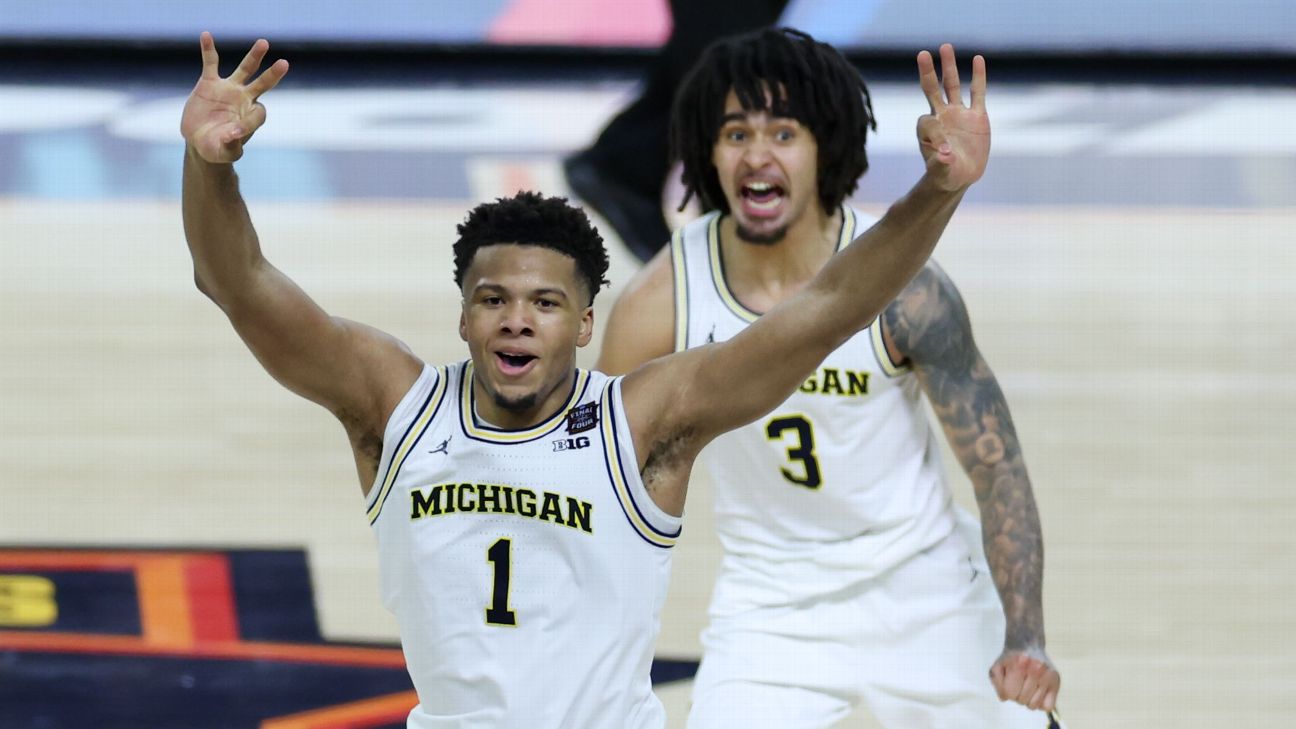


- ▪J.P. Estrella leads Michigan on the glass with 10.5 RPG, but the Wolverines face a tough glass test against a Marquette team averaging 48.5 total rebounds per game.
- ▪Marquette's 1st-ranked adjusted tempo (64.2) and low turnover rate (7.0 per game, 361st fewest) anchor the high 156.5 total against Michigan's fast pace.
- ▪The market has held firm at -3.5, suggesting the current price accurately reflects the clash between Marquette's 64.9% 2-point shooting and Michigan's defensive efficiency.
Shaka Smart’s Marquette Golden Eagles arrive in Ann Arbor with a 2-0 record and a 133.2 offensive efficiency rating, setting up a high-speed collision against Mike Boynton Jr.’s Michigan Wolverines. Marquette plays at the fastest adjusted tempo in Division I (64.2 possessions per 40 minutes) while converting 64.9% of its two-point attempts. Michigan counters with its own fast-paced attack (72.6 tempo) led by Trey McKenney (19.5 PPG) and J.P. Estrella (10.5 RPG), forcing a direct clash of interior scoring and glass control.
Betting markets have locked in a firm equilibrium at 3.5 points, signaling a lack of sharp conviction on either side since the opening line was posted. With Michigan priced as a -165 moneyline favorite, the market is essentially pricing the Wolverines to win outright while respecting Marquette’s efficiency metrics. This 3.5-point spread serves as the primary bottleneck for bettors, forcing a decision on whether the Wolverines’ home-court advantage and superior pace can overcome the Golden Eagles’ disciplined, low-turnover offensive execution.
Market Equilibrium and the 3.5-Point Spread
The 3.5-point spread represents a classic market standoff, with the line remaining stagnant since the opening bell. This lack of movement indicates that the public and sharp money are in alignment regarding the relative strength of these two programs. Michigan, holding a -165 moneyline price, is expected to control the game flow, but Marquette’s 2-0 start has prevented the line from drifting toward a more lopsided figure.
For Marquette, the challenge lies in sustaining their 133.2 offensive efficiency rating away from home. Michigan’s ability to force turnovers—though currently averaging 11.5 per game—will be the key variable in whether the Golden Eagles can maintain their high-percentage looks. The current market resistance at 3.5 suggests that oddsmakers view this as a one-possession game, where late-game free-throw execution and defensive stops will dictate the final cover.
| TEAM | REC | STANDING | PPG | ORTG | EFG% | 3PT% | AST/TO |
|---|---|---|---|---|---|---|---|
| Marquette Golden Eagles | 2-0 | 1st in Big East | 85.5 (#118) | 133.2 (#118) | 54% | 26.7% | 3.4 |
| 20Michigan Wolverines | 1-1 | 1st in Big Ten | 80.5 (#182) | 110.9 (#182) | 47.8% | 22.6% | 1.3 |
Tactical Clash: Perimeter Efficiency vs. Interior Presence
Marquette’s offensive profile is defined by an elite 2-point field goal percentage of 64.9%, ranking 21st nationally. Coach Shaka Smart has effectively utilized Royce Parham and Sananda Fru to generate high-quality looks near the rim, minimizing the reliance on the perimeter. This interior-focused approach is a direct challenge to the Michigan defensive rotation, which has struggled to protect the paint, allowing opponents to shoot efficiently inside the arc.
Stop Betting Into Numbers After the Best Price Is Already Gone.
By the time TV shows talk about a game, the spread has already moved off the key number. See where the lines opened, where they sit now, and which hooks are worth waiting for.
Michigan’s defensive response will rely heavily on J.P. Estrella’s rim protection. While Michigan has shown vulnerability with only 3.5 blocks per game, their ability to force contested shots will be critical. Marquette’s 3-point attempt rate of 43.8% suggests they are willing to stretch the floor, but their efficiency from deep (26.7%) implies that Michigan’s defensive strategy should prioritize packing the paint and forcing the Golden Eagles to win from the outside.
Marquette Golden Eagles(2-0)@20Michigan Wolverines(1-1)Marquette64.220Michigan72.6Marquette133.220Michigan110.9Marquette54%20Michigan47.8%Marquette26.7%20Michigan22.6%Total Pricing and Pace Expectations
The total set at 156.5 reflects high-tempo expectations from both programs. Marquette pushes the nation's fastest adjusted tempo at 64.2 possessions per 40 minutes, while Michigan operates at a rapid 72.6 pace. With both teams looking to run, the game's rhythm will hinge on secondary glass control and live-ball transition conversion.
If Marquette can force Michigan into a half-court battle, the Under becomes a highly viable path. However, if Trey McKenney and the Michigan guards can ignite the transition game, the total could climb toward the 160-point range. Marquette’s ball security, evidenced by a 3.4 assist-to-turnover ratio, suggests they will limit Michigan’s fast-break opportunities, making the 156.5 total a difficult hurdle for the Wolverines to clear without significant second-chance points.
Marquette vs. Michigan: Navigating the 3.5-Point Equilibrium
The market has remained anchored at Michigan -3.5 since opening, signaling market respect for Michigan's home court against Marquette's high-octane offensive attack.
With Marquette ranking 1st nationally in adjusted tempo (64.2) and grabbing 48.5 rebounds per game, the 156.5 total hinges on whether Michigan can match efficiency inside while capitalizing on its 76.7% free-throw advantage.
Frequently Asked Questions
Sharp Wire Market DeskWhat is the tip-off time for Marquette vs. Michigan?
The game is scheduled for Wednesday, November 11, at 7:00 PM ET.
How has the spread moved for this matchup?
The spread has remained steady at Michigan -3.5 since opening, indicating no significant market shift.
Which team has the rebounding advantage in this game?
Michigan holds a statistical edge on the boards, led by J.P. Estrella's 10.5 rebounds per game compared to Marquette's team-wide rebounding metrics.
