









































































































Will Venable’s White Sox Turn October Pain Into a 2027 Blueprint
Newly crowned AL Manager of the Year Will Venable engineered a 24-win leap to 84-78 and a Wild Card sweep of Houston before an ALDS collapse against Cleveland exposed urgent winter pitching needs.
 Chicago White Sox Odds & Splits →
- ▪Manager Will Venable won the 2026 AL Manager of the Year award Tuesday after lifting the White Sox from 60-102 in 2025 to 84-78 and an ALDS Game 5 berth.
- ▪Anchored by Munetaka Murakami, Kyle Teel, and Colson Montgomery, Chicago ranked 5th in MLB in scoring (4.79 runs/G, 211 homers) during the regular season before striking out 96 times across 7 October playoff games.
- ▪Chicago’s pitching posted a 4.12 regular-season ERA (3.92 in 7 playoff games), but just 34 regular-season quality starts and 30 blown saves taxed the bullpen.
- ▪Adding a workhorse frontline starter, high-leverage relief help alongside Bryan Hudson and Grant Taylor, and a high-contact corner outfielder defines Chicago’s 2027 championship blueprint.
On Tuesday night, Will Venable became the first Chicago White Sox skipper since Ozzie Guillen in 2005 to capture American League Manager of the Year honors, collecting 15 first-place votes after authoring baseball’s most improbable resurrection. Two years removed from a modern-record 121-loss abyss and one season after going 60-102 in Venable’s debut, the South Siders surged to 84-78 in 2026 and crashed the October postseason for the first time since 2021.
Yet inside the Rate Field offices on 35th Street, Tuesday’s celebration carries the sharp, unmistakable edge of unfinished October business. After sweeping the Houston Astros on the road in the American League Wild Card Series and seizing a commanding 2-0 lead over division-rival Cleveland in the ALDS, Chicago dropped three consecutive elimination-style games—exposing exactly where a young, hungry core must evolve before February 2027 Spring Training opens in Glendale.
From 102 Losses to October Electricity Under Will Venable
Nobody outside Chicago’s clubhouse projected a 24-win single-season leap from 60-102 in 2025 to 84-78 and second place in the AL Central, finishing just one game behind 85-77 Cleveland. Drawing on championship habits refined beside veteran dugout leaders earlier in his career, Venable overhauled daily preparation, defensive positioning, baserunning aggression, and situational accountability, watching his young roster outscore regular-season opponents 776 to 720 (+56 run differential) to capture a prized Wild Card berth.
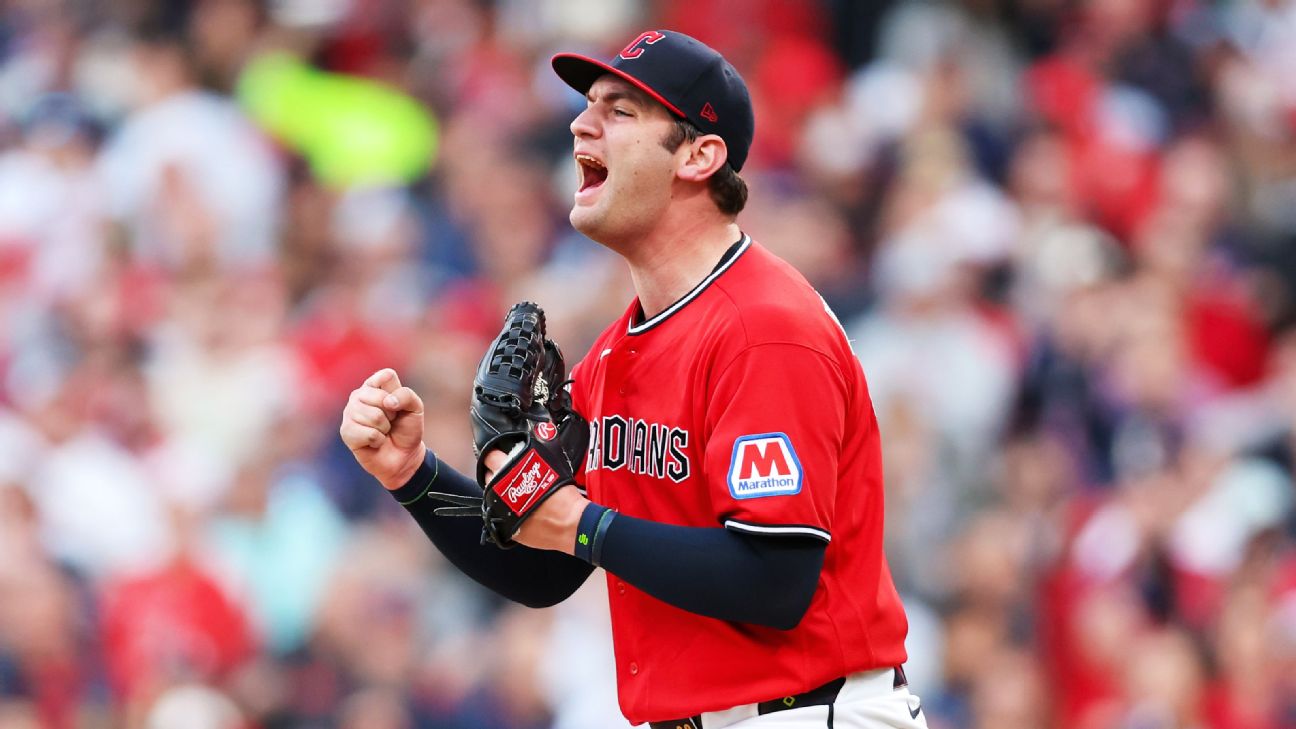
Once October arrived, Chicago played fearless baseball for four straight games, silencing Houston in a two-game road Wild Card sweep before stunning the three-time division champion Guardians twice to move within nine outs of the ALCS. Losing Games 3, 4, and 5 to Cleveland stung deeply in Chicago, yet that seven-game postseason crucible handed general manager Chris Getz and Venable an unfiltered blueprint of what separates an exciting 84-win upstart from an October juggernaut.
Top-Five Regular-Season Scoring Meets October’s Strikeout Wall
Across the 162-game regular season, Chicago’s revamped batting order transformed into an offensive powerhouse, ranking fifth in Major League Baseball at 4.79 runs per game (776 runs) while hammering 211 home runs, 252 doubles, 18 triples, and 740 RBIs alongside 589 walks and 93 stolen bases (.236 average, .320 on-base percentage, .406 slugging percentage, .726 OPS). Powered by Japanese first baseman Munetaka Murakami, rookie-wave catcher Kyle Teel, shortstop Colson Montgomery, second baseman Chase Meidroth, third baseman Miguel Vargas, and veteran DH Andrew Benintendi, Chicago punished mistakes all summer despite piling up 1,494 regular-season strikeouts.
Under October’s unforgiving microscope, however, elite postseason fastballs and breaking stuff ruthlessly exploited that swing-and-miss vulnerability: across seven playoff games, White Sox hitters batted just .211 (.316 on-base percentage, .295 slugging percentage, .611 postseason OPS) with 28 runs, four homers, and 96 strikeouts despite drawing 29 walks. Meanwhile, Chicago’s pitching staff held opponents to 4.44 runs per game in the regular season (15th in MLB, 4.12 ERA, 1.31 WHIP—walks plus hits per inning pitched—with 1,337 strikeouts and nine shutouts) and posted a gritty 3.92 ERA and 1.21 WHIP across seven playoff outings, yet logged only 34 quality starts over 162 regular-season games while converting just 41 of 71 save chances (30 blown saves).
| Seed / Team | Overall | Conf | GB | Home / Road | PT DIFF | Streak |
|---|---|---|---|---|---|---|
1. Cleveland Guardians | 85-77 | 85-77 | 0.0 | 41-40 / 44-37 | +0.1 | L1 |
| 2.Chicago White Sox | 84-78 | 84-78 | 1 | 48-33 / 36-45 | +0.4 | W1 |
3. Minnesota Twins | 77-85 | 77-85 | 8 | 42-39 / 35-46 | -0.3 | W1 |
4. Detroit Tigers | 76-86 | 76-86 | 9 | 42-39 / 34-47 | +0.5 | L1 |
5. Kansas City Royals | 69-93 | 69-93 | 16 | 41-40 / 28-53 | -0.7 | W1 |
Murakami, Teel, and a Cost-Controlled Nucleus Built to Last
Unlike fleeting one-year flukes built on aging mercenaries, Chicago’s 2026 breakthrough rests on waves of controllable cornerstone talent entering their prime together. Murakami anchors first base with middle-order pop, Teel and switch-hitting Edgar Quero (backed by Drew Romo) give Venable an enviable two-way catching tandem, and the infield trio of Colson Montgomery, Meidroth, and Vargas pairs plate patience with crisp defensive execution (.986 regular-season fielding percentage, .988 in October). In the rotation, young right-handers Sean Burke, Drew Thorpe, and Shane Smith join electric lefty Hagen Smith alongside veteran righty Luis Castillo and lefty Anthony Kay.
Only the Sports You Bet. None of the Filler.
Pick NFL, NBA, College Hoops, College Football, NHL, UFC, or Soccer. You only get the morning notes and line moves for the leagues you actually follow.
Roster turnover and late-season injuries primarily challenge Chicago’s outfield grass and bullpen depth heading into 2027. Outfielders Braden Montgomery, Sam Antonacci, Tristan Peters, Brenton Doyle, Brooks Baldwin, Tanner Murray, and Rikuu Nishida all ended the campaign on injured reserve, underscoring the urgent need for durable everyday corner production alongside Benintendi. In the bullpen, towering lefty closer Bryan Hudson, flamethrower Grant Taylor, veteran righty Jordan Hicks, Jonathan Cannon, Tanner McDougal, Huascar Brazoban, Tyler Davis, and Chris Murphy return as core options while sidelined relievers Prelander Berroa, Jordan Leasure, and Mike Vasil work back toward February 2027 camp.
Winter Meetings Blueprint: Rotation Length, Bullpen Lockdowns, and Contact
Fixing a pitching staff that recorded just 34 regular-season quality starts and zero quality starts across seven postseason games sits atop Chicago’s winter shopping list. Asking relievers to cover four to five high-stress innings every night directly fueled those 30 regular-season blown saves by wearing down setup arms long before September arrived. Acquiring a durable, 190-inning frontline starter at the December Winter Meetings—someone who can navigate opposing lineups three times alongside Burke, Hagen Smith, Thorpe, and Castillo—would immediately decompress the entire pitching staff.
Second, Getz must fortify the eighth and ninth innings with surgical free-agent precision rather than reckless multi-year overspending, pairing Bryan Hudson and Grant Taylor with a proven high-leverage strikeout right-hander who limits free passes (Chicago walked 571 batters in the regular season and 30 across seven playoff games). Offensively, importing an athletic veteran corner outfielder with elite bat-to-ball skills and two-strike discipline will stop opposing October bullpens from carving through the middle of Venable’s order.
2027 AL Central Supremacy Chase and Contention Outlook
Finishing one game behind 85-77 Cleveland in the regular season and pushing the three-time defending division champions to Game 5 of the ALDS erased any rebuild mentality for the White Sox. While Cleveland leans on pitching and small ball and Detroit rebuilds around young talent at 76-86, Chicago already owns the AL Central’s most explosive scoring engine at 4.79 runs per game.
With Venable’s culture firmly established and Murakami, Teel, Colson Montgomery, Burke, and Hagen Smith all gaining priceless October scar tissue in 2026, the 2027 White Sox enter Spring Training in Glendale as co-favorites to wrest the division crown away from Cleveland. Land an innings-eating starter and one lockdown relief arm this winter, and 90 wins is a realistic 2027 expectation.
Top-Five Scoring Engine Positions Chicago to Overtake Cleveland in 2027
From a quantitative handicapping standpoint, Chicago’s 2026 leap to 84-78 was backed by sustainable run-differential muscle (+56 regular-season margin, 4.79 runs scored per game—fifth in MLB—versus 4.44 allowed, 15th) rather than fluky one-run variance. In fact, blowing 30 of 71 regular-season save opportunities suggests Venable’s club left multiple wins on the table before sweeping Houston in October.
Compare Chicago’s +56 regular-season run differential against division-winning Cleveland’s razor-thin +11 mark (678 runs scored to 667 allowed), and the AL Central power balance entering 2027 becomes crystal clear. Once winter division futures go live, backing Chicago to capture the 2027 AL Central crown carries standout structural upside—provided the front office addresses its 34-quality-start rotation workload and late-inning relief depth.
Frequently Asked Questions
Sharp Wire Market DeskHow far did the Chicago White Sox advance in the 2026 MLB playoffs?
After finishing 84-78 in second place in the AL Central under AL Manager of the Year Will Venable, the White Sox swept the Houston Astros 2-0 in the AL Wild Card Series and took a 2-0 ALDS lead before falling in five games to the Cleveland Guardians.
What were the strengths and weaknesses of Chicago’s 2026 statistical profile?
Chicago boasted MLB’s 5th-ranked scoring offense (4.79 runs per game, 211 home runs, +56 run differential) in the regular season, but struggled with batter strikeouts (1,494 regular season; 96 in 7 playoff games), short starts (34 quality starts), and 30 regular-season blown saves.
Who anchors the White Sox’s core roster heading into the 2027 season?
First baseman Munetaka Murakami, catchers Kyle Teel and Edgar Quero, infielders Colson Montgomery, Chase Meidroth, and Miguel Vargas, starters Sean Burke, Hagen Smith, and Drew Thorpe, and closer Bryan Hudson headline Chicago’s returning nucleus.
