












































































































Chris Kirk's 63 in Los Cabos and Fall Swing Volatility: Mastering Coastal Paspalum Golf Strategy
From Chris Kirk's opening 9-under 63 in Los Cabos to Austin Smotherman's rain-shortened Bermuda playoff triumph, coastal agronomy and wind variance dictate autumn golf.
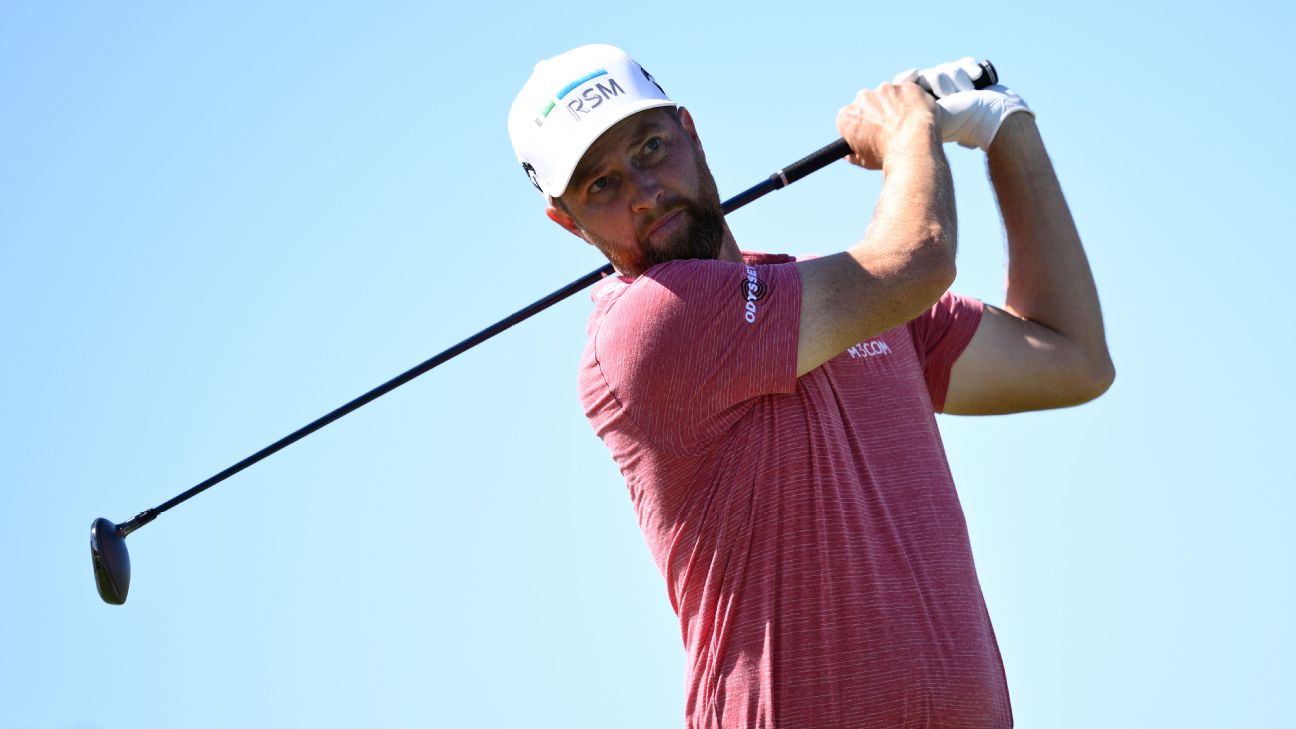
- ▪Chris Kirk fired an opening 9-under 63 to lead the World Wide Technology Championship in Los Cabos before Blades Brown and Ben James turned the weekend into a shootout.
- ▪Austin Smotherman defeated Seamus Power with a par on the third playoff hole at the rain-shortened Butterfield Bermuda Championship for his second straight Fall win and a 2027 U.S. Open berth.
- ▪Coastal Paspalum putting surfaces neutralize delicate Bentgrass speed specialists and reward firm, aggressive birdie putters across Mexico resort stops.
- ▪Optimal coastal golf strategy pairs Thursday morning calm-wind wave targets with diversified mid-tier outright portfolios rather than short-priced pre-tournament chalk.
When veteran ball-striker Chris Kirk carved up the opening round of the World Wide Technology Championship in Los Cabos for a bogey-free-feeling 9-under 63 and a one-shot Thursday lead, it looked like a textbook clinic in seasoned PGA Tour course management. Seventy-two hours later, nineteen-year-old Blades Brown was hoisting the trophy in a sudden-death playoff over rookie flamethrower Ben James after a breathless coastal birdie stampede.
Stretch the lens across the entire FedEx Cup Fall coastal swing — from Karl Vilips firing a 62 at the Mexico Open to Austin Smotherman outlasting Seamus Power on the third playoff hole in a rain-shortened Butterfield Bermuda Championship — and a clear quantitative pattern emerges. Resort corridors, coastal Paspalum and Bermuda putting surfaces, and shifting ocean gusts create unique scoring volatility that flips standard outright strategy on its head.
Veteran Precision vs. Ceiling Chaos: Lessons From Chris Kirk's Opening 63
Chris Kirk's opening-round 9-under 63 in Los Cabos illustrated why crisp tempo and disciplined wedge distance control feast on calm morning resort conditions. On generous coastal fairways designed to accommodate resort guests ten months out of the year, penalty hazards rarely pinch the landing zones for composed tour veterans who keep their spin rates consistent inside 140 yards. Kirk picked apart accessible Thursday pin locations to seize an immediate one-stroke edge.
Yet four-round resort golf rarely stays a measured chess match. Once Ben James fired an 8-under 64 on Friday and a 6-under 66 on Saturday before Blades Brown surged past him in Sunday's playoff, Los Cabos turned into a pure birdie-cluster track meet. Just one week earlier in the first leg of Mexico's PGA Tour doubleheader at the Mexico Open, Karl Vilips strung together two long birdie streaks for an opening 62 while twenty-year-old BYU sophomore Kihei Akina posted a 7-under 64 on Friday to join a three-way tie for the lead.
When fairway width removes the tee-shot penalty that normally separates elite total drivers from wild bombers, the field's scoring standard deviation compresses dramatically. Suddenly, thirty-five players enter Saturday capable of shooting 63 or 64 if eight mid-range putts drop, eroding the protective moat that polished veterans like Kirk enjoy on narrower par-70 championship tests.
Coastal Paspalum vs. Bermuda Agronomy: Why Putting Variance Spikes
Surface agronomy sits at the heart of every autumn coastal handicap. Across Mexico and tropical seaside stops, superintendents rely heavily on SeaDwarf or Platinum Paspalum — a salt-tolerant warm-season grass irrigated with brackish coastal water — alongside dense island Bermuda strains like those at Port Royal in Bermuda. Unlike glassy Bentgrass greens where putts roll like billiard tables, Paspalum acts like subtle Velcro as ball velocity slows.
In Strokes Gained: Putting — which isolates green-reading and stroke execution gains relative to field average — Paspalum acts as a notorious great equalizer. Elite tour putters who thrive on delicate dying-speed touch on fast Bentgrass frequently leave twelve-footers half a roll short in the jaws on slower, tackier Paspalum, whereas aggressive, hit-it-firm ball-strikers bang putts through minor surface imperfections and post career putting weeks.
Compare that Mexico shootout dynamic with the Butterfield Bermuda Championship two weeks prior. After Chandler Blanchet and Japan's Kensei Hirata shared the 36-hole lead heading into a weather-battered weekend, Austin Smotherman ground out a Monday morning playoff victory with a par on the third extra hole against Ireland's Seamus Power — clinching Smotherman's second consecutive FedEx Cup Fall victory and a coveted 2027 U.S. Open berth.
Stop Betting Into Numbers After the Best Price Is Already Gone.
By the time TV shows talk about a game, the spread has already moved off the key number. See where the lines opened, where they sit now, and which hooks are worth waiting for.
Weather Waves, Rain Shortenings, and Global Autumn Leaderboard Swings
Coastal autumn golf also introduces massive meteorological asymmetry between morning and afternoon tee waves. Seaside venues in Los Cabos, Vallarta, and Bermuda wake up under glassy dawn air where receptive turf yields 62s and 63s like Kirk's and Vilips's Thursday openers, before thermal sea breezes kick up twenty-mile-per-hour crosswinds after lunchtime that add 1.5 to 2.5 strokes to the field scoring average.
When tropical squalls compress an event below seventy-two holes — as happened in the rain-shortened Butterfield Bermuda Championship won by Smotherman — mathematical variance multiplies even faster. Fewer holes played means less time for superior ball-striking mean to separate from hot-putter noise, turning sudden-death playoffs into coin-flip tests of nerve and wind-flighted par saves.
Even internationally, autumn trophy hunts reward decisive weekend closers who handle shifting coastal and cool-weather turf: on the DP World Tour in South Korea, Japan's Yuto Katsuragawa captured his second DP World Tour title with a composed two-shot victory at the Genesis Championship, proving that clean iron flight under pressure still cashes tickets when wind and firmer greens push winning scores back from pure 26-under territory.
Portfolio Construction Rules for High-Birdie Resort Tournaments
Synthesizing Kirk's 63, Smotherman's back-to-back Fall Swing heater, and Brown's playoff triumph yields an ironclad quantitative rule for resort golf: never lock heavy bankroll exposure into a single short-priced pre-tournament favorite below +1400 on wide-fairway coastal Paspalum setups. When fifty players in a field possess the raw birdie rate to reach 22-under par, top-of-the-board chalk carries awful risk-adjusted return.
Instead, sharp coastal golf portfolios spread fractional outright stakes across three to five high-birdie-rate ball-strikers and surging form horses — the exact profile Austin Smotherman rode to consecutive Fall victories and Ben James rode to 36- and 54-hole leads — while saving head-to-head and first-round leader capital for calm Thursday morning tee-time waves where precision wedge maestros like Chris Kirk routinely jump to the front.
Spread Outright Exposure on Paspalum Birdie Tracks; Target Morning Wind Waves
Coastal resort golf splits sharply into two distinct pricing markets: First-Round Leader (FRL) wave edges and 72-hole outright shootouts. Calm morning sea air on Thursday routinely rewards elite wedge controllers like Chris Kirk (opening 63 in Los Cabos) and streaky birdie makers like Karl Vilips (opening 62 at the Mexico Open), making morning-wave FRL placements far sharper than full-tournament chalk.
Over 72 holes — or rain-shortened coastal finishes like Bermuda — tacky Paspalum greens and wide fairways compress skill gaps and elevate playoff randomness. Build multi-bullet outright cards around hot autumn form horses like two-time Fall winner Austin Smotherman and high-ceiling birdie generators rather than paying retail premiums on top-seeded favorites.
Frequently Asked Questions
Sharp Wire Market DeskWhy do coastal resort tournaments produce so many surprise contenders and playoffs?
Generous resort fairways reduce driver penalties while tacky coastal Paspalum greens equalize putting touch, turning tournaments into pure birdie-cluster contests where 30+ players stay within striking distance.
What did Austin Smotherman earn with his Butterfield Bermuda Championship victory?
By outlasting Seamus Power with a par on the third playoff hole in Bermuda, Smotherman secured his second consecutive FedEx Cup Fall win and earned an automatic berth into the 2027 U.S. Open.
How does Chris Kirk's opening 63 in Los Cabos inform round-by-round golf strategy?
Kirk's 9-under 63 highlights how veteran wedge technicians capitalize on calm morning coastal conditions before afternoon gusts and weekend birdie variance widen the leaderboard.
