










































































































Jared Goff and Detroit's Aerial Attack Target Miami's Depleted Secondary
Dan Campbell brings a surgical 5-2 Detroit offense into Hard Rock Stadium to test a bruised Miami defensive backfield struggling for stops.
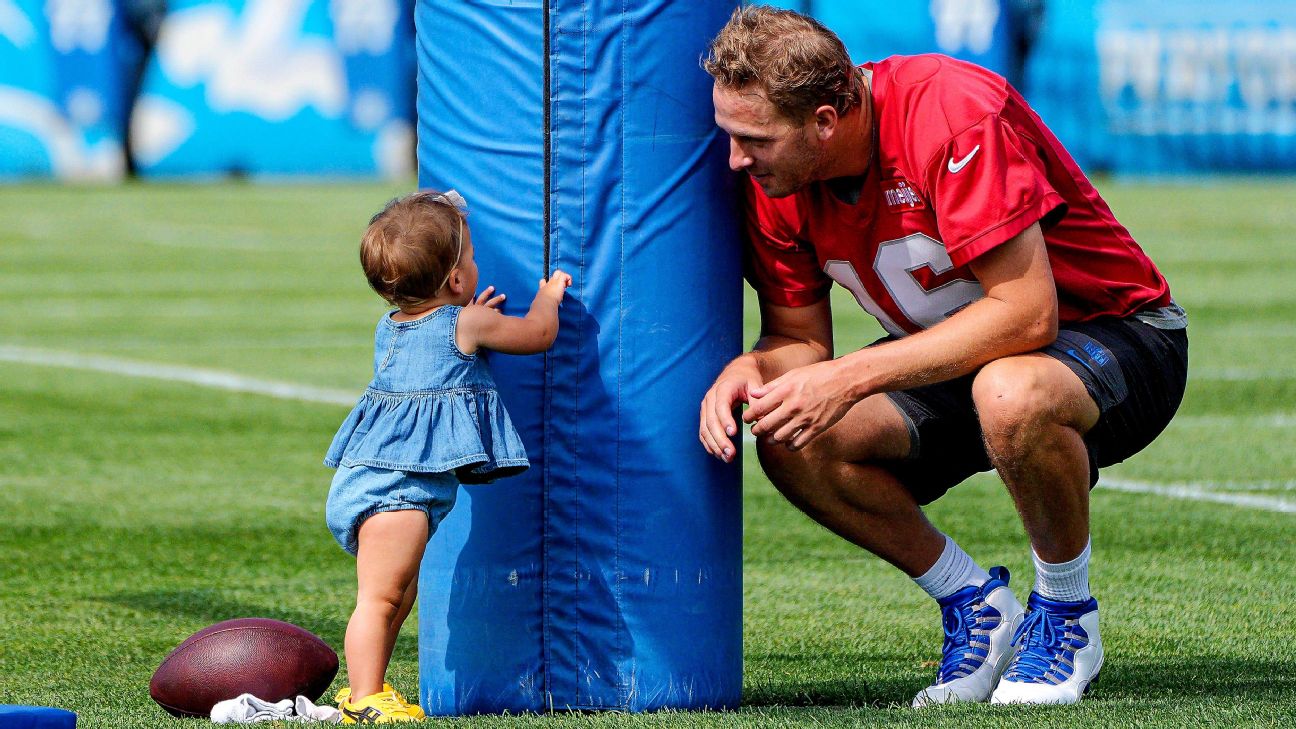
- ▪Jared Goff ranks 4th in net passing yards per game (264.0) with a 110.0 passer rating against a depleted Miami secondary.
- ▪Detroit's 91.4-graded pass rush (24 sacks) creates severe pocket stress for Malik Willis and Miami's 30th-ranked air game.
- ▪Line movement from Lions -7 down to -6.5 (-115) unlocks sub-touchdown road value alongside an even 50-point total.
Dan Campbell brings the 5-2 Detroit Lions into Hard Rock Stadium this Sunday holding every structural card against a 1-6 Miami Dolphins roster running thin in the secondary. Under sunny 82-degree skies and a calm five-mile-per-hour breeze in Miami Gardens, Jared Goff inherits clean-track conditions against a defensive backfield patched together off the midweek injury report.
Oddsmakers opened Detroit as a 7-point road favorite before respected action trimmed the spread to Lions -6.5 (-115) while nudging the total from 50.5 down to 50 flat. That subtle move off the touchdown threshold balances Detroit's top-five passing efficiency against the likelihood that Jeff Hafley leans on clock-chewing ground scripts to shorten the afternoon.
Goff's Clean Pocket Meets Shorthanded Coverage
Detroit's passing offense enters Week 9 operating with clinical rhythm across all three levels, ranking fourth in the NFL at 264.0 net passing yards per game while posting a pristine 90.0 PFF pass-offense grade. Protected by a cohesive offensive front that has surrendered only 16 sacks all year, Goff owns a 110.0 passer rating while completing 67.7 percent of his throws at 7.9 yards per attempt.
That clean pocket protection gives Detroit's layered route concepts ample time to punish backup defensive backs across every blade of grass at Hard Rock Stadium. All-Pro wideout Amon-Ra St. Brown dictates leverage from the slot, tight end Sam LaPorta isolates safeties over the middle, and speedster Jameson Williams forces deep-third respect against a Miami secondary carrying a modest 71.5 coverage grade.
Aidan Hutchinson Anchors a Lopsided Trench Edge
Any Miami upset script runs straight into Detroit's relentless defensive front along the line of scrimmage. Carrying an elite 91.4 pass-rush grade with 24 sacks and 40 tackles for loss across seven outings, Aidan Hutchinson and the Lions' edge rotation attack a Dolphins offensive line that has already leaked 21 sacks.
Quarterback Malik Willis has battled through a grueling stretch under center for Miami, hitting 108 of 183 throws for 1,268 yards, six touchdowns, and five interceptions. With the Dolphins sitting 31st in completion rate at 59.0 percent and 30th in net passing output at 166.7 yards per outing, obvious third-and-long dropbacks invite immediate pocket collapse.
 Detroit Lions(6-2)VS.
 Miami Dolphins(1-7)Lions37.23%Dolphins41.58%Lions61.76%Dolphins47.62%Lions7.8 YPADolphins6.9 YPALions3Dolphins-3
Miami's Ground Counter and Pass-Rush Deficit
To keep Goff watching patiently from the visitor bench, Miami must lean heavily on rookie tailback Ollie Gordon II between the tackles alongside quick-hitting perimeter throws to Malik Washington and Caleb Douglas. Staying ahead of the chains on first down is the lone avenue for Hafley's offensive staff to bleed play clocks and shield an overworked secondary.
Even if Miami extends early possessions on the ground, generating negative plays defensively against Detroit remains an uphill climb all afternoon. The Dolphins own a 55.6 pass-rush grade with just nine sacks all season, giving Goff pristine throwing lanes to layer intermediate crossers whenever Detroit reaches scoring territory inside the thirty-yard line.
Why South Florida Conditions Favor Road Separation
Zero wind resistance at Hard Rock Stadium strips away the usual outdoor variance that trips up dome-based NFC North offenses on November road trips. Detroit's crisp play-action timing translates seamlessly onto fast natural grass, forcing Miami's safeties to defend both deep posts and underneath option routes without four-man pass-rush relief.
Once Detroit builds a two-score cushion in the second half, Miami's run-heavy ball-control game plan evaporates and forces Willis into predictable dropback volume against Hutchinson off the edge. That late-half script divergence explains why Detroit's margin ceiling remains firmly intact despite early syndicate resistance at the opening seven.
Laying Lions -6.5 Below the Key Touchdown Threshold
Dropping from -7 to -6.5 (-115) clears the single most important push landmine in NFL point-spread pricing while keeping juice inside disciplined bounds. At -280 on the moneyline against +230 for Miami, oddsmakers assign Detroit roughly a 70.5 percent fair win probability, pairing naturally with a sub-touchdown number.
Meanwhile, the half-point dip on the total from 50.5 to 50 reflects real doubt that Miami's 30th-ranked passing attack can uphold its share of a shootout. Backing Detroit at -6.5 isolates the Lions' 90-graded aerial mismatch without relying on garbage-time Dolphins scoring.
Frequently Asked Questions
Sharp Wire Market DeskWhy did the Detroit Lions vs. Miami Dolphins spread move from -7 to -6.5?
Early market resistance at the key number of 7 nudged oddsmakers down to Lions -6.5 (-115), balancing Detroit's clear roster edge against road favorite variance.
How does Miami's pass rush match up against Jared Goff's offensive line?
Miami enters with just 9 total sacks and a 55.6 pass-rush grade, facing a Detroit front that has allowed 16 sacks while powering a 90.0 pass-offense grade.
Why did the Lions-Dolphins game total tick down from 50.5 to 50?
Bettors anticipate Miami running Ollie Gordon II to shorten possessions while struggling to throw efficiently, as the Dolphins average just 166.7 net passing yards per game.
