


















Texans Add Veteran Muscle on the Defensive Line Coming Out of the Bye
DeMeco Ryans and the Houston front office inject veteran depth into the trenches by signing Naquan Jones off the 49ers' practice squad. As the team recalibrates during its bye week, we examine how front-seven reinforcements impact upcoming power ratings.
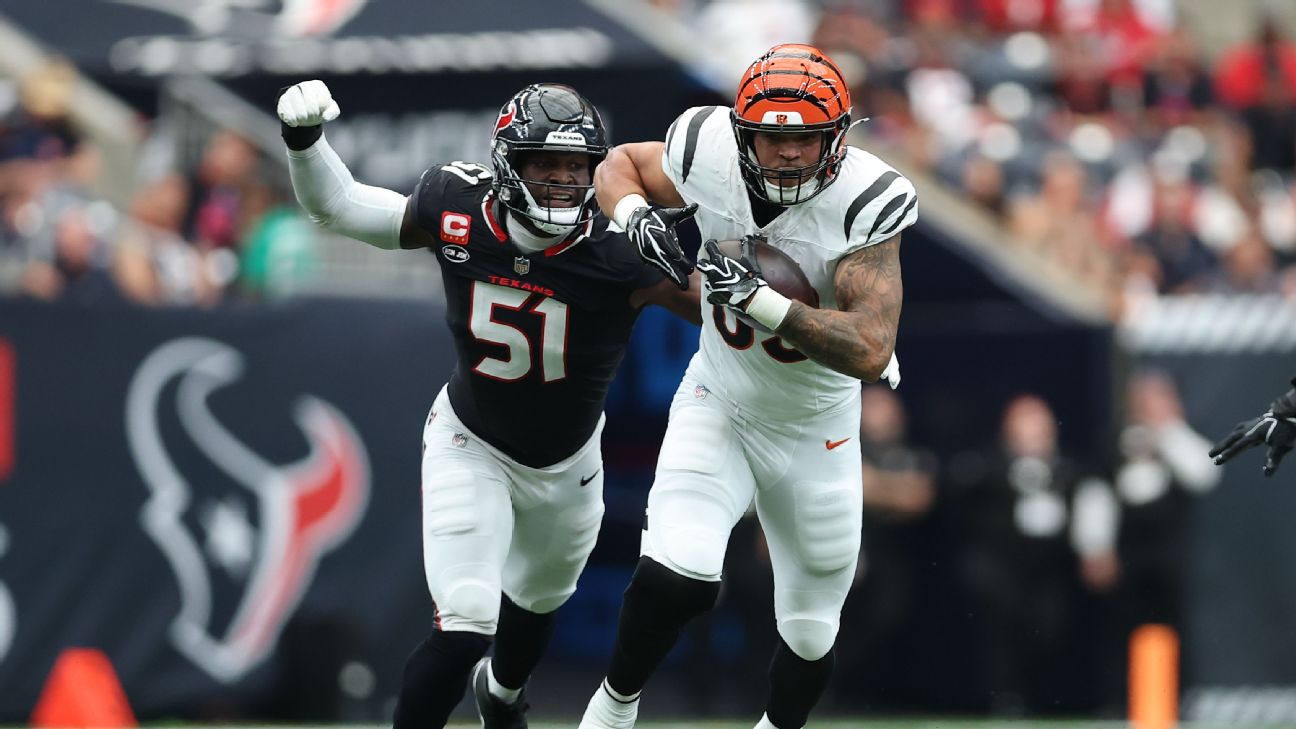
- ▪Houston signed veteran defensive tackle Naquan Jones to shore up front-seven rotation depth following the bye week.
- ▪The Texans defense currently boasts elite PFF grades, ranking high in defensive pass rush (86.1) and run defense (84.7).
- ▪Oddsmakers list Houston at +4000 to win the Super Bowl and +400 in the AFC South.
The NFL grind spares no one, and for a Houston Texans squad sitting at 2-5 through the opening portion of the 2026 campaign, the mid-season bye week arrived right on schedule. Head coach DeMeco Ryans has spent the mandated rest period addressing the micro-fractures in a roster trying to claw back into the AFC playoff picture. While marquee names grab the national headlines, championship contenders are invariably built on the margins—specifically in the interior trenches where games are won in short-yardage and red-zone leverage situations. The front office made their definitive statement this week by securing veteran defensive lineman Naquan Jones, poaching the 313-pound interior stalwart directly from the San Francisco 49ers' practice squad to reinforce a defensive line already featuring standout rushers Will Anderson Jr. and Danielle Hunter.
Evaluating roster adjustments through a sharp handicapping lens requires looking past the superficial excitement of a new face in the locker room and examining the raw efficiency metrics. Houston's defensive unit has displayed flashes of brilliance this season, posting high-end Pro Football Focus composite grades, including an 86.1 in defensive pass rush and an 84.7 in run defense. Yet, sustaining pressure over a 17-game gauntlet demands quality rotational depth capable of spelling starters like Sheldon Rankins and Tommy Togiai without yielding a drop-off in gap integrity. As the Texans prepare to hit the road for their upcoming matchup against the Los Angeles Chargers at SoFi Stadium, the addition of Jones provides the exact brand of thick-bodied anchor work needed to stymie opposing ground attacks and keep linebackers clean. In the competitive AFC futures market, where Houston sits at +4000 to hoist the Lombardi Trophy and +400 to capture the AFC South crown, finding value hinges on whether these subtle depth additions can translate into fourth-quarter defensive stops (lines courtesy of YouWager.lv).
Film Room: Trench Chemistry and Defensive Rotation Dynamics
To understand why Ryans and defensive coordinator Matt Burke targeted Jones, one must examine the specific strains placed on Houston's front seven over the first seven weeks. Despite generating 21 sacks—tied for 7th in the NFL—and racking up 42 tackles for loss, the defense has occasionally surrendered explosive interior rushing lanes when fatigue sets in during the second half of tight contests. Opposing offensive coordinators have increasingly utilized heavy personnel groupings and trap blocks to test the interior stamina of a Texans defensive line rotation that was operating with razor-thin margins behind the primary starters. Jones brings verified 313-pound mass and a reputation as a stout two-gapping run defender who can absorb double teams, allowing disciplined second-level tacklers like Azeez Al-Shaair and Henry To'oTo'o to flow freely to the ball carrier without being compromised by climbing offensive guards.
On film, Jones excels at establishing initial leverage and locking out his elbows against interior blockers, a trait that directly complements the explosive edge speed of Will Anderson Jr. and Danielle Hunter. When defensive systems can rely on interior tackles to hold their ground and command single- or double-team attention, it creates favorable one-on-one matchups on the outside. This synergy is crucial for a Houston defense that relies heavily on its pass-rush unit to dictate terms. Bringing in a veteran who understands pro-style gap schemes means the transition period will be minimal; Jones can step into sub-packages and early-down run situations immediately, giving Burke the exact personnel flexibility required to match up against varied offensive tempos.
Statistical Mismatches and Power Rating Adjustments
While the defensive front-seven grades out exceptionally well, the offensive side of the football remains the primary area requiring stabilization if Houston hopes to climb out of its current 2-5 hole. The offense currently ranks 22nd in the league in completion percentage at 64.5% and 29th in yards per rush attempt at a modest 3.6 yards. Pass protection has also experienced moments of volatility, yielding 15 sacks with a pass-protection grade of 66.2. Quarterback C.J. Stroud has faced consistent pressure despite operating behind an offensive line anchored by veteran tackle Trent Brown and guard Ed Ingram, making the team's ability to run the ball effectively an absolute necessity for sustaining drives and protecting leads.
Subscribe to Our Free Morning Betting Newsletter.
See which lines moved overnight before you place a bet—verified sharp money moves, key injury news, and daily edges delivered to your inbox at 7 AM ET.
In the red zone and on third downs, these offensive inefficiencies place an immense burden on the defense to pitch near-shutouts. When evaluating the Texans from a power-rating perspective, oddsmakers have adjusted their numbers to reflect a team playing below its preseason expectations, yet possessing significant latent talent. The arrival of Jones on defense does not single-handedly fix the offensive ground game, but it raises the floor of the defensive unit, ensuring that narrow margins in upcoming games are protected by superior trench play. For bettors monitoring the AFC South landscape—where the Jacksonville Jaguars hold the divisional lead at -425 and the Texans trail at +400—every incremental roster upgrade shifts the true power rating closer to the market ceiling.
- Defensive Front PFF Excellence: Elite 86.1 pass-rush and 84.7 run-defense composite grades anchor the unit.
- Trench Depth Fortification: Naquan Jones adds 313 pounds of interior run-stopping mass poached from San Francisco.
- Offensive Efficiency Targets: Improving the 3.6 yards-per-rush mark is vital for second-half game control.
Navigating the Market and Futures Value
Analyzing NFL futures markets requires separating public overreaction from true structural improvements. When a team starts 2-5, public money abandons their futures outrights entirely, creating inflated prices on division and postseason odds. The betting market currently lists Houston at +4000 to win the Super Bowl and +400 to secure the AFC South title. While chasing a division crown from four games under .500 demands a steep climb, the underlying defensive metrics suggest this roster is significantly better than its current record implies. High-end coverage grades at 91.4 and consistent pass-rush pressure indicate a team capable of rattling off multi-game win streaks once situational efficiency stabilizes.
For sharp handicappers, identifying these inflection points during the bye week is where long-term profit is generated. Instead of blindly trusting early-season results, savvy bettors look at how coaching staffs utilize the extra preparation time to patch roster holes. DeMeco Ryans has repeatedly demonstrated his ability to maximize defensive output, and adding a proven interior body like Naquan Jones directly addresses run-defense vulnerability without disrupting the core rotation. When executing positions on NFL futures, division props, or weekly game markets, disciplined players demand maximum value and player-friendly Vegas. That is why professional bettors consistently lock in their numbers at YouWager.lv, where low-hold pricing and a flawless payout history provide the ultimate edge for serious bankroll management.
