











































































































Inside the Tyson Fury vs. Anthony Joshua Licensing Countdown and Boxing's 2027 Heavyweight Audit
As angry local residents and curfew scrutiny complicate a looming license verdict for Tyson Fury and Anthony Joshua, the heavyweight landscape braces for a seismic 2027 shakeup.
- ▪A late-running appearance involving Tyson Fury and Anthony Joshua angered local residents right as an official licensing verdict nears.
- ▪Curfew restrictions and ring-walk schedules remain pivotal regulatory checkpoints for staging British stadium mega-fights in 2027.
- ▪Tactically, Fury's feints and heavy inside clinching collide directly with Joshua's explosive mid-range uppercut and right-hand combinations.
- ▪Elsewhere on the boxing calendar, Nelson Asofa-Solomona brutally knocked out Paul Gallen while Devin Haney vs. Liam Paro anchors Dec. 19 in San Francisco.
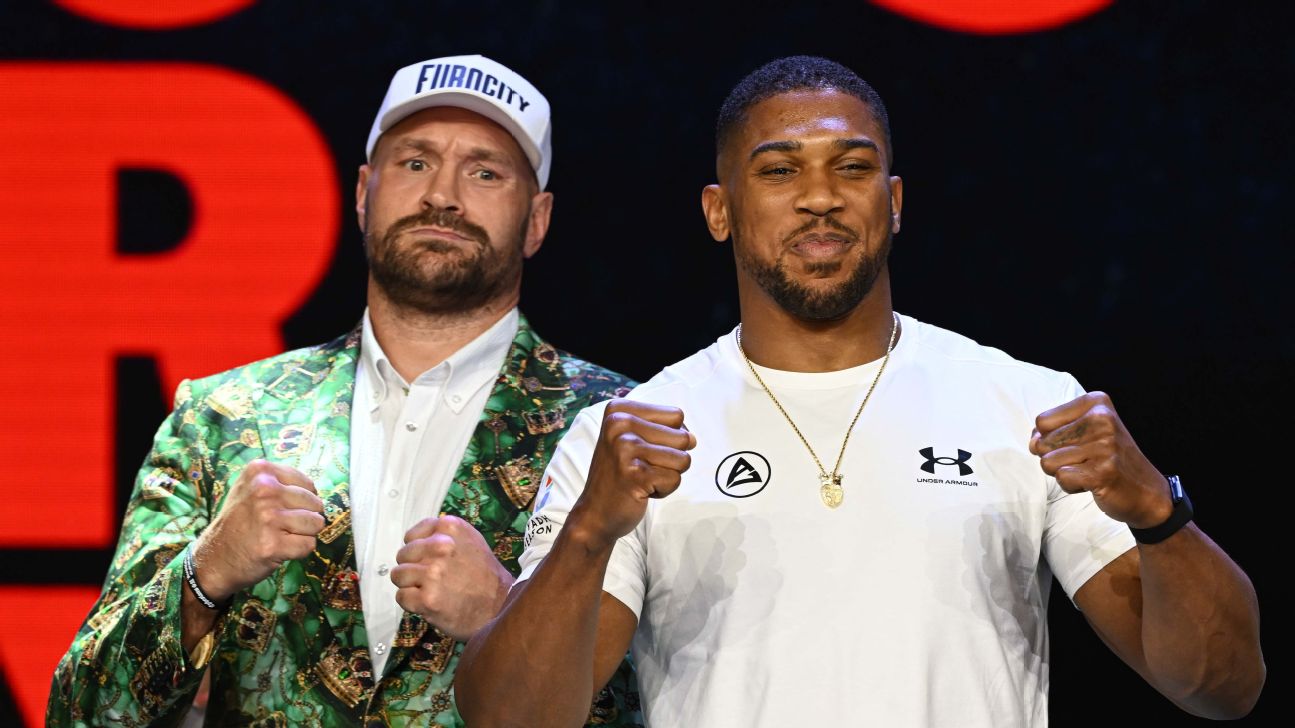
Neighborhood noise complaints and frustrated local residents were never supposed to become the eleventh-hour obstacle standing in front of British boxing's richest generational rivalry, yet a late-running spectacle tied to Tyson Fury and Anthony Joshua sparked fresh community backlash right as a critical licensing verdict nears. While promoters envision sold-out turnstiles and global broadcast records for 2027, municipal authorities remain focused squarely on curfew compliance, crowd dispersal, and public-order guarantees.
Beneath the municipal licensing drama sits the authentic ring puzzle fight fans around the globe have debated for nearly a decade: how Britain's two towering former heavyweight kings match up physically after years of grueling championship mileage under bright stadium lights. Surveying the Fury-Joshua regulatory countdown alongside violent regional heavyweight knockouts and major year-end unifications reveals a sport hurtling toward 2027 with massive commercial momentum—and razor-thin tactical margins.
Curfew Politics, Resident Backlash, and the Looming Licensing Verdict
Staging mega-events in major British metropolitan venues requires navigating strict municipal licensing committees where local resident associations wield genuine regulatory teeth. When a late-running event featuring Tyson Fury and Anthony Joshua spilled past expected neighborhood quiet hours and angered nearby residents this week, it handed council skeptics fresh ammunition right on the eve of an official license verdict.
For boxing promoters, ring-walk timing always creates a tug-of-war between domestic transit curfews and transatlantic prime-time television windows. Delaying main-event ring walks toward midnight maximizes North American pay-per-view buy rates yet risks tens of thousands of spectators pouring onto residential streets after underground rail networks wind down. Securing regulatory sign-off—even if attached to strict ring-walk curfew stipulations and steep USD-equivalent financial bonds for overruns—represents the decisive administrative hurdle to locking in a 2027 stadium blockbuster.
Six-Foot-Nine Feints Versus Orthodox Power Combinations: Fury Against Joshua
Strip away the council hearings and promotional theatrics, and Fury versus Joshua remains an intoxicating clash of heavyweight geometry. At six-foot-nine with an eighty-five-inch reach, Fury operates through visual chaos—flicking pawing jabs from both stances, twitching his shoulders unpredictably, and utilizing clinch-break efficiency (legally tying up an opponent's biceps and neck after single entries to smother second and third combination punches) to lean his full weight onto shorter muscular frames.
Joshua brings the exact offensive weapon that historically troubles tall movers when timed cleanly: compact, explosive two-and-three-punch orthodox combinations up the middle. Whereas wild one-shot swingers telegraph overhand rights from ten feet away, Joshua excels at slipping a lazy flick jab, driving a stiff straight right cross to the chest or chin, and chaining a devastating right uppercut-left hook sequence inside mid-range. Whether Joshua can close those final eighteen inches quickly enough before Fury ties him up—and how both veterans' chins hold up after cumulative championship wars—defines the entire fight.
Footwork economy over the second half will prove equally decisive. When Fury stays light on his toes behind a sharp check hook, orthodox stalkers struggle to set their feet; when Fury plants flat-footed to trade heavy leather, Joshua's faster short-arc combinations carry fight-ending leverage.
Only the Sports You Bet. None of the Filler.
Pick NFL, NBA, College Hoops, College Football, NHL, UFC, or Soccer. You only get the morning notes and line moves for the leagues you actually follow.
Heavyweight Chaos Down Under and Boxing's Loaded Winter-to-2027 Calendar
While Britain awaits the official licensing green light for Fury and Joshua, heavyweight volatility erupted across the southern hemisphere last weekend when towering powerhouse Nelson Asofa-Solomona delivered a brutal knockout of rugged veteran Paul Gallen. Even as post-fight ringside chaos flared with an unruly crowd member and Asofa-Solomona calmly brushed off a racial taunt afterward, the violent finish reinforced why heavyweight attractions consistently command visceral mainstream attention.
Across the broader championship landscape bridging late 2026 into 2027, elite matchmaking is firing on every cylinder. On December 19 in San Francisco, Devin Haney and Liam Paro collide in a major welterweight unification bout that anchors the year-end schedule, following immediately on the heels of Willy Hutchinson capturing the WBC light heavyweight belt over Joshua Buatsi, Cheavon Clarke stopping Chris Billam-Smith in Round 7 at cruiserweight, and Gervonta Davis resolving a civil lawsuit stemming from October 2025 allegations to clear external distractions ahead of potential 2027 ring negotiations. Every glamour weight class is simultaneously converging toward legacy confrontations.
Auditing Heavyweight Mileage and Mega-Fight Pricing Heading Into 2027
Handicapping legacy heavyweight mega-fights like Fury versus Joshua requires ruthless objectivity around physiological wear and tear. Public bettors almost always price generational grudge matches using peak highlight reels from four or five years earlier, assuming Fury still floats on effortless twelve-round legs or that Joshua absorbs flush counters without blinking.
Quantitative fight models apply a cumulative-damage multiplier whenever two veteran heavyweights cross the thirty-five-year-old threshold with dozens of championship rounds on the odometer. Slower defensive reflexes combined with undiminished 250-pound punching power systematically elevates middle-to-late-round stoppage probability over twelve-round tactical shutouts. Once licensing hurdles clear and official 2027 bout contracts are inked, Fight Doesn't Go the Distance derivatives project far stronger analytical backing than chalky decision lines.
Whether council regulators impose strict curfew bells or promoters adjust main-card pacing to appease local residents, nothing alters the violent physics awaiting both heavyweights once the opening bell finally rings.
Cumulative Heavyweight Wear Elevates Inside-the-Distance Equity Over Scorecards
Whenever official licensing verdicts clear the runway for a Tyson Fury versus Anthony Joshua showdown in 2027, early market handle will split passionately down domestic fan lines on the outright moneyline. Yet the sharpest statistical edge in veteran heavyweight mega-fights rarely sits on picking which aging chin survives better across thirty-six minutes—it sits on pricing cumulative defensive erosion and slower recovery speed.
Both Fury and Joshua retain elite offensive firepower while carrying noticeable defensive mileage from recent championship wars. Just as Cheavon Clarke's Round 7 stoppage of Chris Billam-Smith and Nelson Asofa-Solomona's brutal knockout of Paul Gallen demonstrated in recent days, heavyweights and cruiserweights trading inside mid-range eventually crack when fatigue sets in—making Inside-the-Distance props and Rounds 6–10 stoppage clusters the premier analytical targets once official markets open.
Frequently Asked Questions
Sharp Wire Market DeskWhy did Tyson Fury and Anthony Joshua face resident backlash ahead of their license verdict?
A late-running show involving Fury and Joshua angered nearby neighborhood residents over noise and timing concerns right as municipal authorities prepare to deliver a key licensing verdict.
What is the key tactical matchup between Tyson Fury and Anthony Joshua?
Fury relies on his 6-foot-9 reach, switch-hitting feints, and heavy collar-tie clinching to smother rhythm, whereas Joshua looks to slip the jab and detonate compact orthodox uppercut-hook combinations.
Which major boxing unification fight closes out the December 2026 schedule?
Devin Haney and Liam Paro are scheduled to meet in a welterweight unification bout on December 19, 2026, in San Francisco.
