












































































































Jannik Sinner Targets Late-December Return With New Coach Magnus Norman Ahead of 2027 Australian Open
Sidelined since July with a knee injury, five-time Grand Slam champion Jannik Sinner is pairing a December Saudi exhibition comeback with a blockbuster coaching pivot from Darren Cahill to Magnus Norman.
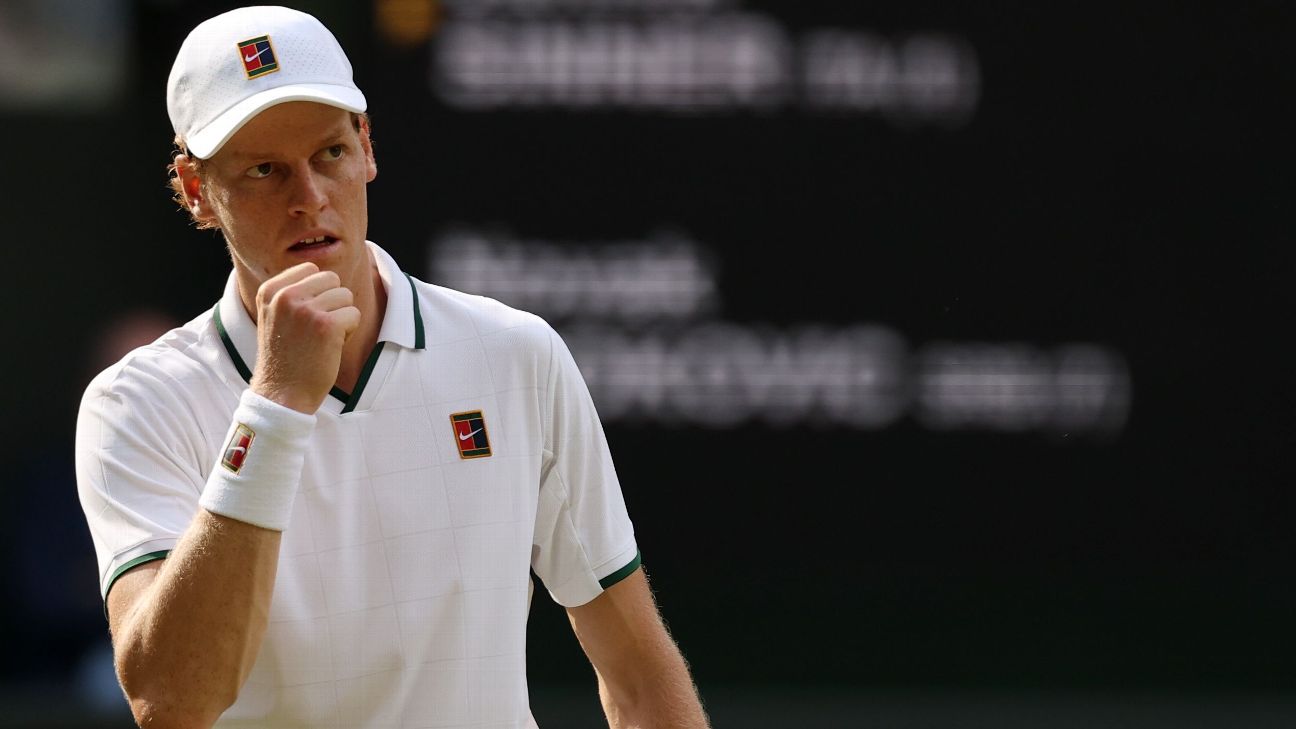
- ▪Jannik Sinner announced Tuesday he targets a late-December exhibition in Saudi Arabia for his return from the knee injury that has sidelined him since July.
- ▪Sinner ended his five-Slam, World No. 1 coaching partnership with Darren Cahill last week and brought renowned Swedish tactician Magnus Norman onto his team.
- ▪Norman's aggressive front-foot baseline philosophy could help Sinner shorten points and reduce cumulative lateral knee wear across best-of-five Slams.
- ▪Disciplined tennis bettors should audit Sinner's late-December exhibition movement before committing capital to January 2027 Australian Open futures.
For four restless months while Alexander Zverev climbed to World No. 1 and Carlos Alcaraz swept indoor trophies across Europe, the cleanest ball-striker in men's tennis existed only in rehabilitation footage and quiet training-block rumors. On Tuesday, Jannik Sinner finally circle-stamped his comeback calendar: sidelined since July with a knee injury, the Italian five-time Grand Slam champion aims to return at an exhibition in Saudi Arabia in late December to launch his 2027 Australian Open push.
He will not walk back onto court with the same voice in his player's box. Just four days earlier, Sinner confirmed his historic partnership with Darren Cahill — a spell that yielded five major trophies and the World No. 1 ranking — is ending, with Swedish Grand Slam architect Magnus Norman stepping onto his coaching staff. Returning from a five-month knee layoff while absorbing a new tactical voice makes Sinner the ultimate wildcard of early 2027.
Five Months Away: Knee Biomechanics on High-Friction Hard Courts
To appreciate why Sinner and his medical team resisted rushing back for the autumn indoor swing in Vienna, Basel, or Paris, watch a slow-motion replay of his signature two-handed backhand from an open stance. Few players in ATP history generate heavier linear ball speed while sliding into wide hard-court corners than Sinner, a movement pattern that channels immense shear and rotational torque directly across the patellar tendon and lateral knee stabilizers.
Returning prematurely on grippy indoor acrylic courts in October or November would have subjected that repaired joint to maximum braking stress with minimal seasonal reward. By waiting until late December in Saudi Arabia for controlled exhibition sets before flying south to Melbourne, Sinner buys roughly twenty-two uninterrupted weeks between his July shutdown and live competitive points.
Even so, practice-court hitting never fully replicates the reactive split-step deceleration required when an elite opponent disguises a cross-court forehand behind you at 95 miles per hour. During his late-December exhibition appearances, sharp observers will ignore the scoreboard entirely and lock onto one physical tell: whether Sinner plants confidently on his outside leg when redirecting backhands down the line or subtly bails out into defensive slices.
From Darren Cahill to Magnus Norman: Decoding the Coaching Transition
Ending a partnership with Darren Cahill after winning five Grand Slam titles and reaching World No. 1 would normally read like shock therapy, yet Cahill's long-anticipated transition opens the door for an equally proven major-championship mind. Magnus Norman is revered across locker rooms for transforming baseline firepower into fearless five-set brutality, famously guiding Stan Wawrinka — who just retired in Basel two weeks ago — to career-defining Grand Slam conquests against peak-era legends.
Tactically, Cahill turned Sinner from a linear rhythm hitter into a complete hard-court problem solver by upgrading his wide slice serve, net-rush finishing, and emotional composure in fifth sets. Norman brings a complementary Scandinavian blueprint centered on heavy-margin forehand weight, rock-solid physical conditioning blocks, and unwavering conviction to hit through opponents rather than retreating when break points arrive.
Pairing Norman's front-foot offensive philosophy with a recovering knee could also yield subtle point-shortening dividends in 2027. If Norman sharpens Sinner's Serve +1 forehand — the aggressive first groundstroke struck immediately after a serve — by even three percent in conversion efficiency, Sinner trims dozens of grueling twenty-shot baseline exchanges across a two-week Grand Slam fortnight.
Where Did the Money Just Hit? Track Opening-to-Current Spreads Live.
Compare opening numbers against current spreads, see which games just crossed 3 or 7, and check no-vig fair odds across today's board.
Melbourne's Court Pace Index and the New World No. 1 Hierarchy
The ATP landscape awaiting Sinner in January 2027 looks starkly reshuffled compared to last summer. During Sinner's absence since July, Alexander Zverev captured both the French Open and US Open titles to claim the World No. 1 ranking on November 2, while Carlos Alcaraz tore through Vienna and the Paris Masters to reach five titles in 2026 alongside a surging Ben Shelton who racked up 43-plus wins and hired Juan Carlos Ferrero for 2027.
Yet Melbourne Park's medium-fast hard courts remain uniquely tailored to Sinner's flat, early-contact timing. Measured via Court Pace Index (CPI) — the tour's composite physics rating combining surface friction and vertical bounce restitution — Melbourne typically plays quick enough during warm daytime sessions for Sinner's compact backswing to rush big windups like Zverev's forehand, while gripping enough at night for his heavy cross-court angles to pin Alcaraz behind the baseline.
Because Sinner skipped the entire post-July calendar, his ranking seed entering January 2027 could also create terrifying quarterfinal draw landmines. Depending on final year-end points math after the ATP Finals, top seeds who fought all year for protected brackets could suddenly stare across the net at a rested five-time major winner before the semifinal weekend.
Why Sharp Bettors Demand December Footage Before Buying Melbourne Futures
Grand Slam futures boards thrive on memory bias, pricing returning superstars near their peak historical win probabilities before they have struck a single competitive ball post-injury. While a 100-percent healthy Sinner warrants co-favorite respect on Australian hard courts alongside Alcaraz, five months without ATP match tiebreaks or best-of-five endurance reps introduces undeniable rust variance in early rounds.
Waiting to audit Sinner's first-serve velocity, lateral corner recovery, and coaching chemistry with Magnus Norman in late December in Saudi Arabia sacrifices only marginal outright price points while eliminating catastrophic blind-injury risk ahead of January 2027 in Melbourne.
Hold Off on Pre-December Melbourne Futures Until Knee Deceleration Is Verified
Locking up bankroll capital in November on a player who has not contested a live tour point since July carries negative time-value and uncompensated medical risk, even for a five-time Grand Slam champion. Oddsmakers continue to shade Sinner's 2027 Australian Open futures defensively based on his pre-injury hard-court ceiling rather than discounting for a five-month knee layoff and a major coaching transition from Darren Cahill to Magnus Norman.
Let late December's Saudi exhibition serve as a free biomechanical stress test. If Sinner demonstrates explosive wide-corner braking, clean first-serve percentages above 64 percent, and zero protective strapping hesitation across back-to-back days, early January 2027 still offers ample runway to enter Melbourne positions — whereas any lingering lateral stiffness instantly upgrades Carlos Alcaraz's hard-court title equity.
Frequently Asked Questions
Sharp Wire Market DeskWhen does Jannik Sinner plan to return from his knee injury?
Having not played since July 2026 due to a knee injury, Sinner stated Tuesday that he aims to return at an exhibition in Saudi Arabia in late December ahead of the 2027 Australian Open.
Who is replacing Darren Cahill on Jannik Sinner's coaching staff?
Magnus Norman is replacing Darren Cahill on Sinner's coaching team following a partnership with Cahill that produced five Grand Slam titles and the World No. 1 ranking.
What is the biggest tactical factor to watch in Sinner's December return?
Analysts will track Sinner's lateral deceleration when sliding or planting into wide hard-court corners, ensuring his knee absorbs full braking force without tentative slice bailouts.
